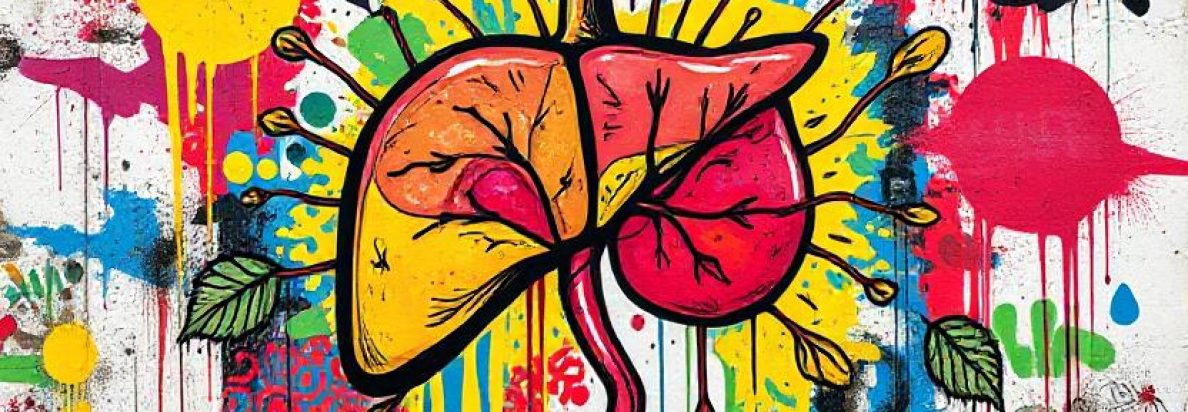
When we talk about liver health, the poor gallbladder often gets treated like a quiet wallflower at the health party – barely mentioned, rarely celebrated, and only noticed when it starts making a racket. But here’s the thing: your gallbladder is a key player in keeping your liver happy and your digestive system humming. Ignore it, and you might find yourself with stones, blockages, and some very cranky internal plumbing.
Gallbladder 101 – The Quick Tour
Your gallbladder is a small, pear-shaped pouch tucked just under your liver. Think of it as the liver’s storage assistant. The liver makes bile – that golden-green liquid that helps break down fats – and the gallbladder stores it, concentrates it, and releases it when your digestive system sends up the dinner bell. Without this little storage tank, your liver would have to drip-feed bile into your gut all day long, which isn’t exactly efficient.
The Bile Highway
Bile doesn’t just hang out in your gallbladder – it has places to be. When you eat, your gallbladder squeezes bile through the bile ducts (tiny tubes) and into your small intestine, where it helps break down fats and fat-soluble vitamins (A, D, E, and K).
If the bile ducts are the highway, then the gallbladder is the on-ramp. When things flow smoothly, your liver, gallbladder, and digestion are all in sync.
When Stones Crash the Party
Gallstones are little, hardened deposits that can form in your gallbladder. They can be as small as grains of sand or as big as golf balls (ouch). Many people have them and never know – until one decides to move.
If a gallstone travels into the bile duct, it can cause a blockage. This is where the trouble starts: bile backs up, pressure builds, and your liver can get inflamed or infected. That backup can also cause jaundice (yellowing of the skin and eyes) and severe pain, usually under the right ribs or between the shoulder blades.
Why This Matters for Your Liver
Your liver works hard to produce bile every single day. If that bile can’t get where it’s supposed to go because of a blockage, your liver ends up in a holding pattern – and it doesn’t like that. Long-term, blockages can damage the bile ducts and cause scarring or infection. In some cases, stones can even lead to pancreatitis (inflammation of the pancreas), which is not something you want on your medical résumé.
Keeping Your Gallbladder (and Liver) in Good Shape
You can’t always prevent gallstones, but you can help your gallbladder stay healthy:
Eat a balanced diet – Extreme crash diets and very high-fat diets can both trigger gallstone formation. Aim for a steady, balanced intake.
Stay active – Regular movement helps keep digestion and bile flow smooth.
Manage your weight – Rapid weight loss can increase your risk for stones, so slow and steady wins this race.
Hydrate well – Water helps keep bile less concentrated, which makes stones less likely.
When to Call the Doctor
If you experience sudden, intense pain in your upper right abdomen (especially after eating), fever, chills, yellowing skin, or vomiting, don’t brush it off – get checked. These can be signs of a blockage or infection that needs prompt treatment.
Bottom line: Your gallbladder might be small, but when it’s unhappy, your liver feels the strain. Treat them like the team they are – feed them well, keep them moving, and don’t ignore the warning signs. Because in the liver-and-gallbladder partnership, a blocked bile duct is like closing the kitchen in the middle of dinner service – nobody’s going to be happy.
To listen to the AUDIO EDITION CLICK HERE
2025 – Liverfriendly.org
Discover more from LiverFriendly.org
Subscribe to get the latest posts sent to your email.
